Decoradhouse Garden Tips by DecoratorAdvice: Modern Home, Garden & Yard Ideas for 2026
Creating a beautiful home is not only about choosing attractive furniture or following the latest decorating trend. A well-designed home should feel comfortable, practical, personal, and easy to maintain. The same idea applies to gardens, yards, patios, entrances, and other outdoor areas. With thoughtful planning, even a simple space can become more useful and welcoming.
At DecoratorAdvice, the goal is to make home and outdoor improvement easier to understand. From small decorative changes to larger upgrades, homeowners can find practical ideas that can be adapted to different budgets, property sizes, and personal styles.
Modern home improvement is increasingly focused on everyday comfort rather than decoration alone. Outdoor spaces are being treated as extensions of indoor living areas, while homeowners are also looking for durable materials, low-maintenance landscaping, flexible furniture, natural textures, and practical storage solutions. Recent 2026 outdoor remodeling research shows strong interest in lounge areas, seating, outdoor kitchens, shade, landscaping, and systems that make outdoor spaces more functional.
Whether you are planning a complete makeover or simply want to refresh one room or one corner of your yard, the right approach begins with understanding what your space actually needs.
Creating a Home That Feels Comfortable and Personal
A successful home design does not have to follow one specific style. Some people prefer modern interiors with clean lines and neutral colors, while others enjoy traditional furniture, warm textures, plants, decorative accessories, and colorful details.
The most important principle is balance. A room should have enough furniture to be functional without feeling crowded. Decorative pieces should add personality without making the space difficult to use.
Start by considering how each room is used. A living room may need comfortable seating and flexible lighting. A bedroom should encourage relaxation. A kitchen needs practical storage and easy movement. Entryways benefit from organization, while outdoor spaces need weather-appropriate furniture and materials.
Before buying new items, look at what you already own. Rearranging furniture, changing lighting, adding plants, replacing outdated accessories, or introducing a new color can sometimes create a noticeable improvement without requiring a complete renovation.
Decoradhouse Garden Tips by DecoratorAdvice for Better Outdoor Spaces
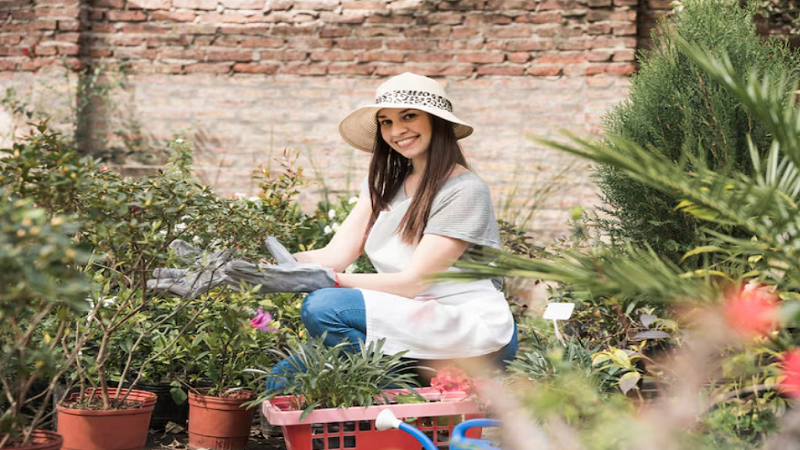
Garden design should combine appearance with usability. A beautiful garden that requires constant maintenance may become difficult to enjoy, while a practical garden with a clear layout can remain attractive throughout the year.
One useful approach is to divide the garden into simple functional areas. You might create a seating zone, planting area, walking path, dining section, or quiet corner. This makes the outdoor space easier to organize and helps every part of the garden serve a purpose.
Plants should also be selected according to the conditions of the property. Consider sunlight, shade, soil, rainfall, temperature, and available maintenance time before choosing plants. Native or climate-appropriate plants can often be easier to maintain because they are better suited to local growing conditions.
Layering is another effective garden technique. Combining trees, shrubs, flowering plants, ground cover, containers, and decorative elements can create depth without making the landscape complicated.
Decadgarden Yard Tips by DecoratorAdvice for a More Useful Yard
The yard is often one of the most underused parts of a property. With a thoughtful layout, it can become an area for relaxing, dining, entertaining, gardening, or spending time with family.
One of the first steps is to identify the main purpose of the yard. If the space is primarily for relaxation, comfortable seating and shade may be more important than extensive decoration. If it is used for entertaining, consider a dining table, outdoor lighting, food-preparation area, and enough space for movement.
For families, an open area may be useful for recreation, while gardeners may prefer more planting space. Smaller yards can benefit from vertical gardening, containers, foldable furniture, and multi-purpose features.
Current outdoor design trends increasingly emphasize comfort and everyday use. Research from Houzz’s 2026 U.S. Outdoor Trends Study found that most renovated outdoor spaces include lounge or seating areas, showing how outdoor areas are increasingly being designed as extensions of indoor living.
Decoradhouse Upgrade Tips by DecoratorAdvice
Not every home upgrade requires a major construction project. Small improvements can have a meaningful effect when they address an actual problem or outdated feature.
Start with high-impact areas. Updating old lighting fixtures, improving storage, refreshing wall colors, replacing worn hardware, or reorganizing a cluttered room can make a home feel noticeably different.
For kitchens, practical improvements might include better cabinet organization, improved lighting, new handles, or additional storage. In bedrooms, improved lighting, comfortable textiles, and organized storage can create a calmer environment.
Bathrooms can benefit from better mirrors, modern fixtures, storage solutions, and moisture-resistant materials. In living spaces, furniture arrangement and lighting often have a larger visual impact than adding more decorative objects.
When planning an upgrade, consider durability as well as appearance. A material may look attractive initially but become expensive if it requires frequent replacement or maintenance.
Decoration Tips Decoradhouse From DecoratorAdvice
Decoration works best when it supports the function of a room. Instead of filling every empty surface, select pieces that contribute to the overall atmosphere.
Color is one of the easiest ways to change a space. Neutral backgrounds can provide flexibility, while carefully selected accent colors can add personality. Textures can also make a room feel warmer. Wood, woven materials, natural fabrics, ceramics, plants, and soft textiles can introduce visual interest without requiring dramatic changes.
Lighting deserves special attention. A room usually feels more comfortable when it has several layers of light rather than relying on a single ceiling fixture. Ambient lighting provides general illumination, task lighting supports activities such as reading or cooking, and accent lighting can highlight artwork, plants, architectural features, or decorative objects.
Mirrors can help reflect light and create a greater sense of openness, especially in smaller rooms. However, placement matters. A mirror should have a useful visual relationship with the rest of the room rather than simply being placed wherever there is an empty wall.
Simple Ways to Improve a Garden Without a Major Budget
Garden improvements do not always require expensive landscaping. Begin with maintenance and organization.
Remove damaged or unnecessary items, trim overgrown plants, define planting areas, and keep paths clear. Once the basic structure is clean, decorative improvements become easier to see.
Containers are particularly useful because they allow homeowners to introduce plants without changing the entire landscape. They can also be moved when the layout changes.
Outdoor lighting is another relatively simple improvement. Path lights can improve visibility, while subtle accent lighting can highlight trees, planting beds, walls, or seating areas.
A small seating area can transform an unused garden corner into a destination. Even a simple bench or two comfortable chairs can make the space more inviting.
Making Yard Design More Sustainable
Sustainable landscaping is becoming increasingly relevant as homeowners look for attractive outdoor spaces that are easier to maintain.
One useful strategy is to select plants according to the local climate rather than choosing them only because they look attractive in a photograph. Plants that are naturally suited to local conditions may require less water and attention.
Efficient watering can also reduce waste. Watering plants according to their actual needs is generally more useful than following a fixed schedule regardless of weather conditions.
Organic material such as compost can support healthier soil, while mulch can help retain moisture and reduce unwanted plant growth.
Sustainability does not mean sacrificing design. A well-planned low-maintenance garden can combine attractive planting, comfortable seating, useful paths, and decorative elements while reducing unnecessary maintenance.
About Us DecoratorAdvice .com

A home improvement resource should be more than a collection of decorative photographs. Visitors need practical explanations that help them understand why an idea works and how it can be adapted to their own space.
The purpose behind About Us DecoratorAdvice .com is to provide useful inspiration and practical guidance across home decoration, garden planning, yard improvements, and everyday upgrades.
The focus is on approachable ideas rather than assuming that every homeowner has the same budget, property, lifestyle, or design preference.
Good decorating advice should help readers make informed choices. It should consider function, maintenance, available space, materials, style, and long-term usability.
About DecoratorAdvice .com
When learning About DecoratorAdvice .com, readers can think of the platform as a source for practical home and outdoor inspiration. The content can cover small decorating changes as well as larger improvement ideas.
A useful home advice platform should help answer questions such as:
- How can a small room feel more open?
- Which garden improvements provide everyday value?
- How can a yard become more comfortable?
- What should be considered before choosing outdoor furniture?
- How can homeowners update an older room without completely remodeling it?
- Which decorative changes can be completed with a reasonable budget?
- How can a garden remain attractive while reducing maintenance?
The answers will vary from property to property, which is why flexible advice is more useful than a single design formula.
DecoratorAdvice .com About Us: A Practical Approach to Home Improvement

The DecoratorAdvice .com About Us concept is centered on making home improvement easier to approach.
A homeowner does not necessarily need to redesign an entire property to make it better. Sometimes the most effective improvement is simply solving a problem that has been ignored for a long time.
For example, adding storage can reduce clutter. Better lighting can make a room easier to use. A shaded seating area can make a yard more comfortable. Replacing damaged outdoor materials can improve both appearance and functionality.
The best improvement projects usually begin with a clear objective.
DecoratorAdvice .com
DecoratorAdvice .com can bring home, garden, yard, and decoration topics together under one broader resource. This makes it possible to explore both indoor and outdoor design without treating them as completely separate subjects.
Home design and outdoor design increasingly overlap. Colors, materials, furniture styles, lighting concepts, and comfort-focused layouts can move between indoor and outdoor environments.
For example, an outdoor seating area can be designed with the same comfort principles used in a living room. A patio can include soft lighting, durable furniture, side tables, plants, and decorative accessories while still being suitable for outdoor conditions.
DecoratorAdvice .com Home Ideas for 2026
A modern DecoratorAdvice .com Home approach should focus on comfort, flexibility, organization, natural elements, and practical design.
One important trend is creating spaces that can serve multiple purposes. A dining area can become a workspace when needed. A spare room can combine storage and guest accommodation. An outdoor patio can function as a dining area, lounge, or quiet retreat.
Natural-looking materials continue to work well because they add warmth without requiring excessive decoration. Wood tones, stone-inspired finishes, woven textures, plants, and neutral colors can create a timeless foundation.
Technology can also improve convenience, but it should serve a clear purpose. Smart lighting, energy-efficient appliances, automated shades, and other connected systems can be useful when they make daily routines easier rather than simply adding technology for appearance.
Decoradyard Garden Tips by DecoratorAdvice
The relationship between a yard and garden is important. A garden should not feel like a collection of unrelated plants placed randomly around an open space.
Create visual connections between different areas. Repeating materials, plant types, colors, or textures can help the landscape feel unified.
Paths can guide movement and make the garden easier to explore. Seating can establish a destination. Planting beds can define boundaries without making the space feel closed.
In smaller yards, vertical elements can create additional interest without consuming valuable floor space. Trellises, climbing plants, wall planters, and tall containers can introduce height.
In larger yards, repeating design elements can prevent the landscape from feeling disconnected.
Choosing Outdoor Furniture Carefully
Outdoor furniture should be selected according to climate, available space, maintenance requirements, and intended use.
Before buying furniture, measure the available area and leave enough room for people to move comfortably. Oversized furniture can make a small patio feel crowded.
Materials also matter. Outdoor furniture is exposed to sunlight, moisture, temperature changes, and dirt. Choose materials that suit local weather conditions and follow the manufacturer’s care instructions.
Comfort is equally important. A beautiful chair that is uncomfortable may rarely be used. The goal should be to create an outdoor area where people actually want to spend time.
Creating Better Outdoor Lighting
Lighting can change the atmosphere of a garden or yard after sunset.
Use different types of lighting for different purposes. Path lighting can improve visibility. Wall or overhead lighting can illuminate functional areas. Accent lighting can highlight plants or architectural features.
Avoid excessive brightness. Outdoor spaces often look more sophisticated when lighting is subtle and strategically positioned.
Energy-efficient lighting options can also help reduce operating costs. Solar-powered fixtures may be useful in suitable locations, although their performance depends on sunlight, placement, weather, and product quality.
Small Home Upgrades With a Big Visual Effect
If a complete renovation is not practical, focus on smaller improvements.
Fresh paint can change the atmosphere of a room. New curtains can alter light and texture. Replacing old cabinet handles can modernize a kitchen. Rearranging furniture can improve circulation. Adding a larger piece of artwork can create a visual focal point.
Decluttering is another powerful improvement. Removing items that are no longer useful can make a room feel larger and allow important decorative pieces to stand out.
The same principle applies outdoors. Removing broken furniture, clearing overgrown areas, cleaning hard surfaces, and reorganizing planting zones can immediately make a yard more presentable.
Latest DecoratorAdvice .com Ideas for Modern Living
The latest DecoratorAdvice .com ideas should reflect how people actually use their homes today. Comfort, adaptability, practical storage, natural elements, and usable outdoor areas are all important parts of contemporary home design.
Outdoor remodeling research published in 2026 shows that homeowners are increasingly investing in outdoor features and systems, with comfort and everyday use playing a major role.
This does not mean every homeowner needs an outdoor kitchen or a large renovation. The broader lesson is that design should respond to lifestyle.
A small balcony can become a comfortable reading area. A narrow yard can become a low-maintenance garden. An unused corner can become a workspace or storage zone. A dated room can feel fresh through lighting, paint, organization, and carefully selected accessories.
Planning a Home Improvement Project Step by Step
Before beginning any project, define the problem.
Next, establish a realistic budget. Include not only the cost of materials but also tools, delivery, installation, maintenance, and unexpected expenses where appropriate.
Measure the space before purchasing furniture or materials. Create a basic layout so you know where major items will go.
Then decide which improvements are essential and which are optional. This prevents a project from becoming unnecessarily complicated.
Finally, think about maintenance. A design that looks excellent immediately after installation may not remain practical if it requires more work than you can realistically provide.
Building a Home That Works for Everyday Life
The strongest home designs are not simply attractive. They make everyday activities easier.
A good living room supports conversation and relaxation. A useful kitchen makes cooking and storage easier. A well-organized bedroom supports rest. A functional yard encourages outdoor activity.
This is why decorating should begin with lifestyle rather than trends.
Trends can provide inspiration, but they should not determine every decision. A timeless foundation combined with a few current details is often easier to maintain than completely redesigning a space whenever trends change.
Final Thoughts
Home improvement is an ongoing process rather than a single project. A home can evolve as needs, preferences, family circumstances, and lifestyles change.
From decoradhouse garden tips by decoratoradvice to practical yard planning, interior decoration, storage, lighting, and home upgrades, the most useful ideas are those that combine beauty with everyday function.
Whether you are refreshing one room, improving a garden, updating a yard, or planning a larger renovation, start with the purpose of the space. Choose materials and features that fit your environment, consider maintenance, and make changes gradually when necessary.
The best home is not necessarily the one with the most expensive decoration. It is the one that feels comfortable, works efficiently, reflects the people who live there, and provides spaces that can genuinely be enjoyed. See More: tipsbydecoratoradvice.net