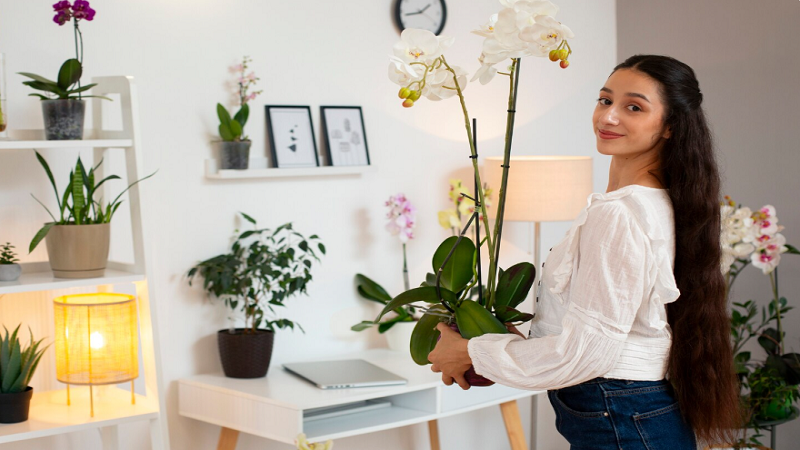
A beautiful garden can make a home feel more peaceful, welcoming, and connected to nature. Whether you have a large backyard, a small patio, or a compact balcony, thoughtful planning can help you create an outdoor space that is both attractive and easy to maintain. The key is not simply adding more plants or decorations, but choosing the right elements and arranging them in a practical way.
The following decoradhouse garden tips by decoratoradvice can help homeowners create a garden that looks organized, comfortable, and enjoyable throughout the year. From selecting suitable plants to improving soil and arranging outdoor furniture, small changes can make a noticeable difference.
1. Start With a Simple Garden Plan
Before purchasing plants, furniture, or decorations, take some time to understand the space you have. Measure the available area and notice how much sunlight different sections receive during the day.
Make a basic plan showing:
- Areas that receive full sunlight
- Shaded sections
- Existing trees and plants
- Walking paths
- Seating areas
- Places where water is easily available
Planning first prevents overcrowding and makes it easier to create a balanced garden.
2. Choose Plants According to Your Climate
One of the most important parts of gardening is selecting plants that can naturally grow in your local environment. Different plants have different requirements for sunlight, temperature, humidity, and water.
Native and climate-friendly plants are often easier to care for because they are already adapted to local conditions. Before buying a plant, check whether it prefers full sun, partial shade, or a shaded environment.
The decoradhouse garden tips by decoratoradvice approach emphasizes choosing plants according to the conditions of the garden instead of selecting them only because they look attractive.
3. Improve the Soil Before Planting
Healthy soil provides plants with the nutrients and support they need to grow. Poor soil can make even well-selected plants struggle.
Start by checking whether the soil is too dry, compacted, sandy, or rich in organic material. Adding compost or other suitable organic matter can improve soil structure and help retain moisture.
Avoid adding large amounts of fertilizer without understanding what the soil actually needs. Too much fertilizer can sometimes damage plants rather than helping them.
4. Create Different Planting Layers
A garden can look more interesting when plants are arranged at different heights. Instead of placing everything at the same level, combine ground-cover plants, medium-height flowers, shrubs, and taller plants or trees.
This creates depth and gives the garden a more natural appearance.
For example, low plants can be placed near pathways, medium plants can fill the middle sections, and taller plants can be positioned toward the back of a flower bed.
5. Use Color Carefully
Color can strongly influence the appearance of an outdoor space. You do not need dozens of different flower colors to create an attractive garden.
Choose a simple color palette and repeat similar shades throughout the space. Green foliage can provide a natural background, while flowers can add seasonal color.
White and soft-colored flowers can create a calm appearance, while brighter colors can make a garden feel energetic. The best choice depends on the atmosphere you want to create.
6. Add Comfortable Seating
A garden should not only look attractive; it should also be useful. Adding a small seating area can turn an ordinary outdoor space into a place for relaxing, reading, drinking tea, or spending time with family.
For smaller gardens, consider compact chairs or a small bench. Larger spaces can accommodate outdoor sofas, tables, or lounge furniture.
Place seating where it provides a pleasant view of plants or other attractive garden features.
7. Keep Garden Paths Practical
Paths help people move through a garden without damaging plants. They can also divide different areas and give the garden a more organized appearance.
A simple path can be created using stone, gravel, bricks, pavers, or other suitable materials. The design does not need to be complicated.
Make sure pathways are wide enough for comfortable walking and do not become slippery when wet. Good drainage around paths is also important.
8. Add Lighting for Evening Use
Outdoor lighting can make a garden useful after sunset while also improving safety around paths and steps.
Small lights can be placed along walkways, near seating areas, or around selected plants. Solar-powered lights can be useful where installing electrical wiring is difficult.
Avoid making the garden excessively bright. Soft, strategically placed lighting can create a more comfortable evening environment.
9. Think About Watering Efficiency
Water is one of the most important resources in gardening, but overwatering can be just as harmful as underwatering.
Learn the watering requirements of each plant and avoid using the same watering schedule for everything. Plants in sunny areas may require more water than plants growing in shade.
Watering early in the morning can help reduce unnecessary evaporation in many climates. Mulching around plants can also help the soil retain moisture.
10. Use Mulch Around Plants
Mulch is a simple addition that can provide several benefits. It can help maintain soil moisture, reduce weed growth, and protect the soil from extreme temperature changes.
Organic mulch can include materials such as shredded leaves, bark, or composted plant material. Apply an appropriate layer around plants while keeping some space around the base of stems and trunks.
Mulching is especially useful during periods when the weather is hot or rainfall is limited.
11. Maintain Plants Regularly
A beautiful garden requires regular attention. Maintenance does not necessarily mean spending hours every day. Small tasks performed consistently can prevent larger problems.
Regular garden care may include:
- Removing dead leaves and flowers
- Pulling weeds
- Checking plants for pests
- Trimming overgrown branches
- Cleaning garden furniture
- Checking irrigation systems
- Removing damaged plant material
Regular observation also helps you notice problems early.
12. Create a Small Focal Point
Every garden can benefit from one area that naturally attracts attention. This could be a flowering plant, a small tree, a decorative pot, a fountain, a sculpture, or an attractive seating area.
A focal point gives the garden visual structure. However, using too many focal points can make the space look cluttered.
Choose one or two important features and allow surrounding plants and decorations to support them.
13. Choose Garden Decorations Carefully
Garden decorations can add personality, but they should complement the natural environment. Too many decorations may make a garden feel crowded.
Consider using a few carefully selected items instead of filling every empty space. Decorative containers, natural stones, simple sculptures, or attractive planters can add character without overwhelming the plants.
The decoradhouse garden tips by decoratoradvice concept can be applied here by focusing on balance rather than quantity.
14. Make Small Gardens Feel Larger
Limited space does not mean you cannot create an attractive garden. Vertical gardening is one useful solution for small outdoor areas.
Wall planters, hanging containers, trellises, and vertical plant supports allow you to grow plants without using much floor space.
Light-colored surfaces and carefully placed mirrors can also make a small outdoor area appear more open, although mirrors should be positioned carefully to avoid creating safety problems for birds or people.
15. Consider Seasonal Changes
A garden should be planned with the changing seasons in mind. Some plants flower during spring, others perform better during summer, and some provide visual interest in autumn or winter.
Mixing plants with different seasonal characteristics can help keep the garden attractive throughout the year.
Evergreen plants can provide consistent structure, while seasonal flowers can introduce changing colors.
16. Protect Plants From Pests
Garden pests can damage leaves, flowers, stems, and roots. Regularly inspect plants for unusual spots, holes, discoloration, or insects.
Healthy plants are generally better able to withstand minor pest problems. Good spacing between plants can also improve airflow and reduce certain moisture-related problems.
If a pest problem becomes serious, identify the pest before choosing a treatment. Using the wrong product may harm beneficial insects or the plants themselves.
17. Keep Garden Tools Organized
Good organization makes garden maintenance easier. Store frequently used tools in a dry and accessible location.
Basic gardening equipment may include gloves, pruning shears, a hand trowel, watering equipment, a rake, and a suitable shovel.
Clean tools after use and keep cutting tools sharp. Properly maintained equipment can make gardening tasks faster and safer.
18. Focus on Balance Rather Than Perfection
A garden does not need to look perfect to be beautiful. Natural variation is part of what makes outdoor spaces appealing.
Instead of trying to make every section identical, create a sense of balance through repeated plants, complementary colors, consistent materials, and organized pathways.
The decoradhouse garden tips by decoratoradvice idea is ultimately about creating an outdoor space that works for the people who use it while remaining visually pleasant and manageable.
19. Make the Garden Comfortable for Daily Life
Think about how you actually want to use the garden. If you enjoy outdoor meals, prioritize a table and suitable seating. If you prefer quiet relaxation, create a comfortable corner surrounded by plants.
Families with children may need open areas for movement, while people who enjoy gardening may want dedicated planting beds.
A practical garden is easier to enjoy because its design matches the lifestyle of the people using it.
20. Keep Improving Over Time
You do not have to complete the entire garden in one project. In fact, improving the space gradually can help you understand what works and what does not.
Start with the most important areas, such as soil preparation, planting, paths, and seating. Once those elements are established, add smaller decorative features.
Over time, plants will grow and the garden will naturally change. Adjust the layout and maintenance routine as necessary.
Frequently Asked Questions
What is the most important garden planning tip?
Start by understanding your space. Consider sunlight, soil, drainage, available water, and the amount of maintenance you can realistically provide.
How can a small garden look more attractive?
Use vertical planting, compact furniture, containers, and a limited number of decorative features. Keeping the layout organized can make a small space feel more spacious.
How often should a garden be maintained?
The frequency depends on the plants, climate, and season. Regular observation is more important than following a single fixed schedule.
Is mulch useful for every garden?
Mulch can be helpful in many gardens because it can conserve moisture and reduce weeds. However, the type and amount of mulch should be appropriate for the plants and local conditions.
Conclusion
A successful garden combines beauty, practicality, and regular care. You do not need an expensive landscape design or a large outdoor space to create an enjoyable environment. Careful planning, suitable plants, healthy soil, practical pathways, comfortable seating, and thoughtful decoration can transform almost any outdoor area.
By applying the decoradhouse garden tips by decoratoradvice principles of balance, simplicity, and practical garden care, homeowners can create an outdoor space that remains attractive while being easier to manage. The most important step is to start with the conditions of your own garden and make gradual improvements that fit your space and lifestyle. See More