
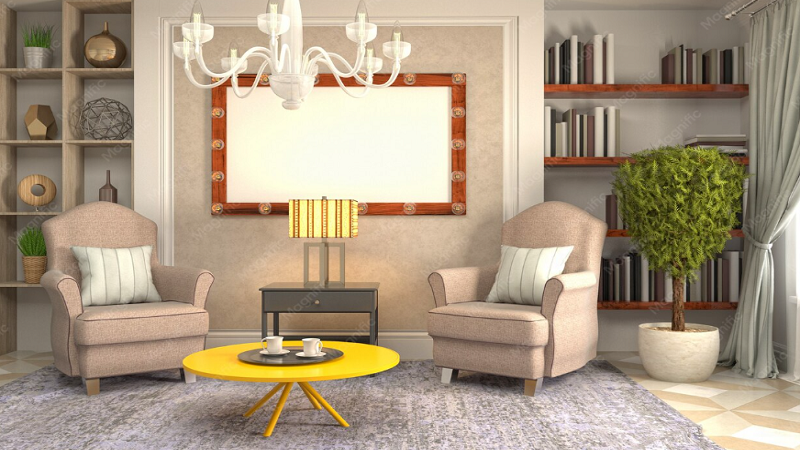
Home decoration is an important part of creating a comfortable, attractive, and functional living environment. A well-designed home reflects personal taste, supports everyday activities, and makes people feel relaxed. Home decor does not always require expensive furniture, luxury accessories, or major renovations. Even small changes in colors, lighting, furniture arrangements, and decorative details can make a noticeable difference.
Modern homeowners are becoming more interested in practical decorating solutions that combine beauty with functionality. They want spaces that look elegant while remaining comfortable and easy to maintain. From minimalist living rooms to cozy bedrooms and organized kitchens, thoughtful design choices can improve every part of a home.
The latest decoratoradvice .com concept reflects the growing interest in modern decorating ideas, creative inspiration, and simple ways to improve residential spaces. Understanding different design approaches can help homeowners make better decisions and create interiors that match their lifestyles.
1. Understanding Modern Home Decor
Modern home decor focuses on simplicity, comfort, and balanced design. Instead of filling rooms with unnecessary furniture and accessories, this approach emphasizes carefully selected items that serve a purpose.
Clean lines, neutral colors, natural materials, and functional furniture are common features of modern interiors. However, modern design does not mean every home must look the same. Homeowners can introduce personal touches through artwork, decorative cushions, rugs, plants, and meaningful objects.
The most important goal is to create a space that feels welcoming and reflects the people living in it.
Some important elements of modern home decoration include:
-
Simple and attractive furniture.
-
Balanced color combinations.
-
Proper lighting arrangements.
-
Functional storage solutions.
-
Natural textures and materials.
-
Comfortable furniture layouts.
Combining these elements creates a visually appealing environment without making rooms feel crowded.
2. Choosing the Right Color Scheme
Colors have a strong influence on the appearance and atmosphere of a room. The right color combination can make a small space feel larger, create a relaxing bedroom, or add energy to a living area.
Neutral colors such as white, beige, cream, gray, and soft brown remain popular choices because they create a calm foundation. These shades also work well with different furniture styles and decorative accessories.
However, using only neutral colors can sometimes make a room feel plain. Adding carefully selected accent colors can bring personality and visual interest.
For example:
-
Green can create a natural and refreshing atmosphere.
-
Blue can make a room feel peaceful.
-
Yellow can introduce warmth and brightness.
-
Terracotta can add an earthy appearance.
-
Dark gray can create a sophisticated look.
Before choosing paint colors, consider the amount of natural light available. Rooms with limited sunlight may benefit from lighter shades, while brighter spaces can accommodate deeper colors.
3. Creating a Beautiful Living Room
The living room is often one of the most frequently used areas in a home. It is where families relax, entertain guests, watch television, and spend time together.
A beautiful living room should balance appearance and comfort. Start by selecting furniture that fits the available space. A large sofa may look impressive in a furniture showroom, but it can make a small living room feel crowded.
Furniture placement is equally important. Arrange seating to encourage conversation and maintain enough walking space between different areas.
Consider these decorating ideas:
Use a comfortable sofa: Choose a design that matches your lifestyle and available space.
Add decorative cushions: Different textures and complementary colors can make seating areas more attractive.
Include a stylish rug: A properly sized rug helps connect furniture pieces and defines the seating area.
Decorate the walls: Artwork, framed photographs, and simple wall decorations can add personality.
Introduce indoor plants: Greenery brings natural beauty and makes interiors feel fresh.
Avoid placing too many decorative objects in one area. A few carefully selected accessories often create a cleaner and more attractive result.
4. Designing a Relaxing Bedroom
A bedroom should provide comfort, privacy, and relaxation. Since people spend many hours in this room, its design should support good rest and everyday convenience.
Start with the bed because it is usually the main feature of the space. Choose comfortable bedding, suitable pillows, and a headboard that complements the overall interior.
Soft colors are generally helpful for creating a peaceful environment. Shades such as light blue, cream, beige, and pale green can make bedrooms feel calm.
Lighting also plays an important role. Instead of depending entirely on bright ceiling lights, consider bedside lamps and softer lighting options.
Additional bedroom decorating ideas include:
-
Use matching or complementary bedding.
-
Keep bedside tables organized.
-
Add curtains that provide suitable privacy.
-
Choose practical wardrobes and storage.
-
Avoid unnecessary furniture.
-
Introduce soft rugs for additional comfort.
A well-organized bedroom can feel more spacious and peaceful, even when the room is relatively small.
5. Making Small Spaces Look Bigger
Decorating small homes and apartments requires thoughtful planning. Limited space does not mean homeowners must compromise on style or comfort.
One effective solution is choosing furniture that serves multiple purposes. Storage beds, folding tables, sofa beds, and wall-mounted shelves can help reduce clutter.
Mirrors are another useful decorating element. When positioned correctly, they reflect light and create the impression of additional space.
Other practical techniques include:
Choose lighter colors: Light walls and ceilings can make compact rooms appear more open.
Use vertical storage: Shelves and cabinets can take advantage of unused wall space.
Avoid oversized furniture: Select pieces that fit the room’s dimensions.
Maintain clear pathways: Keep entrances and walking areas free from unnecessary objects.
Use natural lighting: Allow sunlight to enter whenever possible.
The secret to decorating smaller spaces is making every item useful while maintaining a balanced appearance.
6. Modern Kitchen Decorating Ideas
The kitchen is one of the busiest areas of a home. It should be attractive, hygienic, organized, and easy to use.
A modern kitchen often combines simple cabinet designs, durable surfaces, practical storage, and effective lighting.
Neutral cabinets are a popular choice because they create a clean and timeless appearance. Homeowners can introduce contrast through countertops, handles, backsplashes, and decorative accessories.
Organization is especially important in kitchens. Drawers, labeled containers, shelf organizers, and dedicated storage areas can make everyday activities easier.
Consider the following ideas:
-
Keep countertops free from unnecessary items.
-
Organize cooking tools according to their purpose.
-
Use attractive containers for frequently used ingredients.
-
Install sufficient task lighting.
-
Choose easy-to-clean surfaces.
-
Add a small indoor plant or decorative accessory.
A well-planned kitchen makes cooking more enjoyable and helps maintain an organized household.
7. The Importance of Lighting in Interior Design
Lighting can completely change how a room looks and feels. Even beautiful furniture and expensive decorations may appear less attractive when the lighting is poorly planned.
Interior lighting generally includes three important types.
Ambient Lighting: This provides general illumination throughout a room. Ceiling lights and recessed fixtures are common examples.
Task Lighting: This focuses on specific activities such as reading, cooking, studying, or working. Desk lamps and under-cabinet kitchen lights are useful options.
Accent Lighting: This highlights particular features, including artwork, architectural details, shelves, and decorative objects.
Natural lighting should also be considered during the decorating process. Large windows, light curtains, and carefully positioned mirrors can help brighten interior spaces.
Combining different lighting sources creates depth and makes rooms more comfortable throughout the day.
8. Bringing Nature Indoors
Natural elements have become an important part of contemporary interior design. Plants, wooden furniture, stone surfaces, and natural fabrics can make living spaces feel warmer and more connected to the outdoors.
Indoor plants are particularly useful because they introduce color and texture without requiring major decorating changes.
Popular indoor plant choices include:
-
Snake plants.
-
Pothos.
-
Peace lilies.
-
Spider plants.
-
ZZ plants.
-
Rubber plants.
Before selecting plants, consider the available sunlight, room temperature, and maintenance requirements.
Natural materials can also improve the appearance of interiors. Wooden tables, bamboo accessories, cotton curtains, and woven baskets introduce interesting textures.
The goal is not to fill every corner with plants or natural materials. A balanced selection can create a refreshing and comfortable atmosphere.
9. Decorating on a Limited Budget
Creating an attractive home does not require spending a large amount of money. Budget-friendly decorating is possible when homeowners focus on improvements that offer the greatest visual impact.
One simple approach is rearranging existing furniture. Moving a sofa, changing the position of a table, or creating a new seating arrangement can make a familiar room feel different.
Painting an old piece of furniture is another affordable option. A fresh finish can give cabinets, chairs, and tables a renewed appearance.
Other affordable decorating ideas include:
-
Replacing outdated cushion covers.
-
Adding affordable wall artwork.
-
Using decorative storage baskets.
-
Changing lampshades.
-
Repainting selected walls.
-
Reusing existing decorative accessories.
-
Shopping for secondhand furniture.
It is also helpful to prepare a budget before purchasing anything. Prioritize essential improvements and avoid buying decorative products simply because they are popular.
Thoughtful planning often produces better results than expensive but uncoordinated purchases.
10. Keeping Your Home Organized
Good organization is an essential part of successful interior design. A beautifully decorated room can quickly lose its appeal when surfaces are covered with unnecessary items.
Storage solutions should be selected according to the needs of each room. Bedrooms may require wardrobes and storage boxes, while living rooms can benefit from cabinets and multifunctional furniture.
Developing simple daily habits also makes a difference. Returning items to their proper places, cleaning surfaces regularly, and removing unnecessary belongings can help maintain an attractive environment.
The latest decoratoradvice .com approach highlights the value of combining decorative improvements with practical organization. A home should not only look beautiful but also support everyday routines.
Consider organizing one room at a time instead of attempting to change the entire house in a single day. This makes the process easier and allows homeowners to evaluate their progress.
11. Personalizing Your Interior Design
A home should reflect the personality and interests of the people who live there. Following popular decorating trends can provide inspiration, but copying every trend is not necessary.
Personal touches make interiors more meaningful. Family photographs, travel souvenirs, handmade decorations, favorite books, and artwork can help create a unique environment.
Homeowners can also combine different design styles. For example, modern furniture can work beautifully with traditional wooden accessories. Similarly, minimalist interiors can include colorful artwork or vintage decorative pieces.
The key is maintaining consistency through colors, materials, and proportions.
Instead of purchasing everything at once, gradually introduce decorative elements that complement the existing space. This approach makes it easier to develop a home that feels natural rather than overly decorated.
12. Common Home Decorating Mistakes to Avoid
Even simple decorating projects can become difficult when important details are overlooked. Understanding common mistakes can help homeowners achieve better results.
Choosing furniture without measuring: Always measure the available area before purchasing large furniture pieces.
Using too many colors: A room can become visually confusing when several unrelated colors compete for attention.
Ignoring lighting: A beautiful interior needs suitable lighting to highlight its features.
Overdecorating surfaces: Too many accessories can make rooms feel crowded.
Following trends without considering personal needs: Popular styles may not suit every home or lifestyle.
Ignoring storage: Insufficient storage often leads to clutter and reduces the usefulness of a room.
Avoiding these mistakes helps create interiors that remain attractive and functional over time.
13. Planning Your Next Home Improvement Project
Before starting a decorating project, identify what needs improvement. Some homeowners may want a more comfortable living room, while others may need better kitchen storage or a more relaxing bedroom.
Make a simple plan that includes the project’s purpose, estimated budget, materials, and expected results.
It is also useful to collect design inspiration from magazines, photographs, interior design publications, and different decorating styles.
Compare ideas carefully instead of selecting products immediately. Consider durability, maintenance, available space, and overall compatibility.
The latest decoratoradvice .com concept can be understood as an interest in staying informed about practical decorating inspiration while making thoughtful choices for different living environments.
Taking time to plan helps reduce unnecessary spending and makes the decorating process more manageable.
Conclusion
Home decoration is about creating a living environment that combines beauty, comfort, organization, and personal expression. Whether someone is improving a small apartment, redesigning a bedroom, updating a kitchen, or refreshing a living room, simple design decisions can produce meaningful improvements.
Choosing suitable colors, arranging furniture carefully, improving lighting, introducing natural elements, and maintaining organized spaces are all effective ways to create attractive interiors.
Homeowners should focus on their personal needs rather than following every decorating trend. With thoughtful planning, creativity, and practical decisions, any home can become a more welcoming and enjoyable place to live. See More