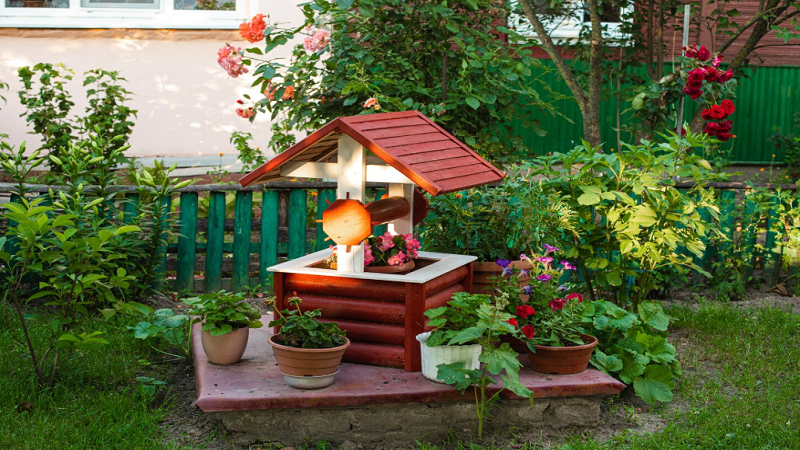
A well-designed yard can make a home feel more comfortable, attractive, and welcoming. Whether you have a large garden or a small outdoor area, thoughtful planning can help you make better use of the available space. A beautiful yard does not always require expensive furniture, complicated landscaping, or constant maintenance. With the right ideas, even a simple outdoor space can become an enjoyable place for relaxing, gardening, entertaining, or spending time with family.
The most successful outdoor spaces usually combine practical planning with natural beauty. Plants, pathways, seating areas, lighting, and decorative features should work together instead of making the yard feel crowded. The goal is to create an environment that fits your lifestyle while remaining easy to maintain.
This guide explores practical decadgarden yard tips by decoratoradvice that can help homeowners improve their outdoor spaces with simple and realistic ideas.
Start With a Simple Yard Plan
Before buying plants, furniture, or decorations, take some time to understand your yard. Look at the amount of available space, the position of the sun, existing trees, drainage, pathways, and areas that receive shade.
A basic plan can help you decide where different elements should go. For example, a seating area may work best in a shaded corner, while plants that need several hours of sunlight should be placed in brighter locations.
Think about how you want to use the yard. Some people want an outdoor dining area, while others prefer a quiet garden for reading or relaxing. Your intended use should influence the layout.
Choose Plants According to Your Space
Plants are one of the most important parts of any yard. However, choosing plants simply because they look attractive can create maintenance problems later.
Consider the climate, soil conditions, sunlight, and available water before selecting plants. Native or locally adapted plants can often be easier to maintain because they are suited to the surrounding environment.
Use a combination of different plant heights to create visual interest. Ground-cover plants can fill empty areas, medium-sized shrubs can add structure, and taller plants or small trees can provide height.
Avoid placing too many different plants together. A limited selection of complementary plants can create a cleaner and more organized appearance.
Create a Comfortable Seating Area
A yard becomes more useful when it includes a comfortable place to sit. You do not need a large outdoor furniture set. A small bench, two chairs, or a simple table can be enough.
Place seating where it provides a pleasant view of the garden. Shade is also important, particularly in warmer climates. A tree, pergola, umbrella, or other shade solution can make the area more comfortable.
Choose outdoor furniture that can handle local weather conditions. Materials that are easy to clean and maintain are especially useful for busy households.
Keep Walkways Practical
Walkways help connect different areas of the yard while also making the space easier to navigate. A simple path can lead from the house to a garden, seating area, patio, or outdoor storage space.
The pathway should be wide enough for comfortable movement. Avoid creating unnecessary curves unless they serve a practical or visual purpose.
Stone, gravel, brick, concrete, and other materials can be used for garden paths. Select an option that matches the overall appearance of the outdoor area and is suitable for the local weather.
Good pathways also reduce the amount of foot traffic across planted areas, helping protect grass and delicate plants.
Use Layers to Add Visual Interest
A yard can look flat when everything is planted at the same height. Adding layers creates depth and makes the garden more interesting.
Place shorter plants toward the front of a planting area and taller shrubs or trees farther behind them. This arrangement allows each plant to remain visible.
Containers can also be used to introduce height. A few planters positioned at different levels can make a small yard feel more dynamic without requiring major landscaping work.
These decadgarden yard tips by decoratoradvice can be particularly useful when working with limited space because vertical and layered arrangements allow homeowners to use the available area more effectively.
Make Small Yards Feel Larger
Small yards require careful planning because too many features can quickly make the space feel crowded.
Use fewer but more purposeful elements. Instead of filling every corner with decorations, choose a few focal points such as a small tree, attractive planter, seating area, or garden feature.
Keeping pathways open can also make the yard appear larger. Light-colored surfaces and simple planting patterns may help create a more open visual impression.
Vertical gardening is another useful option. Wall planters, trellises, and climbing plants can add greenery without taking up much ground space.
Add Outdoor Lighting
Outdoor lighting can improve both appearance and functionality after sunset. It can highlight pathways, planting areas, steps, seating spaces, and architectural features.
Path lights can help people move around safely, while softer lights can create a relaxing atmosphere around seating areas.
Solar lights are convenient in locations where installing electrical wiring is difficult. Other outdoor lighting systems may offer stronger and more consistent illumination.
Avoid excessive lighting. A yard usually looks better when lighting is subtle and focused on important areas rather than brightly illuminating everything.
Maintain Healthy Soil
Healthy soil is essential for healthy plants. Before planting, examine the condition of the soil and determine whether it needs improvement.
Organic matter such as compost can improve soil structure and support plant growth. However, soil requirements vary between plants, so avoid adding materials without understanding what the plants need.
Good drainage is equally important. Waterlogged soil can damage many types of plants, while extremely dry soil can make it difficult for roots to receive enough moisture.
Regularly checking soil conditions can prevent many common gardening problems.
Use Mulch Around Plants
Mulch can be a practical addition to garden beds. It can help retain moisture, reduce weed growth, and protect the soil surface from temperature changes.
Organic mulch can gradually break down and contribute organic material to the soil. Wood chips, leaves, and other suitable materials can be used depending on the garden.
Do not place mulch directly against plant stems or tree trunks. Leaving a small gap helps reduce moisture-related problems around the base of plants.
Keep Yard Maintenance Manageable
A beautiful yard should not become a constant source of work. When planning your outdoor space, consider how much time you realistically have for maintenance.
Choose plants with maintenance requirements that fit your schedule. Group plants with similar water requirements together to make irrigation easier.
Regular tasks such as removing weeds, trimming overgrown plants, clearing fallen leaves, and checking irrigation systems can prevent larger problems later.
A simple maintenance routine is often more effective than trying to complete a large amount of garden work all at once.
Create a Natural Focal Point
Every yard can benefit from a focal point. This could be a flowering tree, attractive planter, water feature, seating area, sculpture, or particularly interesting group of plants.
The focal point should naturally attract attention without overwhelming the rest of the yard.
Positioning is important. A focal feature can be placed at the end of a pathway, near a seating area, or where it can be viewed from inside the house.
Using one strong focal point is often more effective than filling the garden with many competing decorations.
Consider Privacy
Privacy can make an outdoor area much more comfortable. Depending on the layout of the property, privacy can be created using plants, fences, screens, trellises, or strategically positioned trees.
Evergreen shrubs can provide year-round screening in suitable climates. Climbing plants can also cover trellises and create a natural visual barrier.
Privacy solutions should still allow adequate airflow and sunlight. Blocking every opening can make a yard feel enclosed, so balance is important.
Add Sustainable Features
Sustainable gardening practices can reduce waste and make outdoor maintenance more efficient.
Rainwater collection, composting, drought-tolerant plants, and efficient irrigation are examples of environmentally conscious choices. Choosing durable materials can also reduce the need for frequent replacement.
Reducing unnecessary lawn areas can be another practical option. Garden beds, ground covers, or functional outdoor spaces can sometimes replace sections of grass that require frequent watering and mowing.
Sustainable design does not have to look complicated. Small improvements can make a meaningful difference over time.
Keep Decorations Balanced
Outdoor decorations can add personality, but too many can make a yard look disorganized. Select decorative pieces that complement the garden rather than competing with plants and other features.
Natural materials such as stone and wood often blend easily with outdoor surroundings. Decorative pots, lanterns, garden signs, and sculptures can also be used as accents.
The key is balance. Leave enough open space for the yard to breathe and allow plants to remain the main visual feature.
Prepare the Yard for Different Seasons
A good yard should be considered throughout the year. Some plants provide flowers during one season while others contribute foliage, structure, or color at different times.
Select plants with different blooming periods when possible. This can help maintain visual interest throughout the year.
Seasonal maintenance is also important. Pruning, planting, fertilizing, cleaning, and preparing outdoor furniture may be required at different times depending on the climate.
Planning ahead makes seasonal changes easier to manage.
Common Yard Design Mistakes to Avoid
Several common mistakes can make outdoor spaces harder to maintain.
One mistake is choosing plants without considering their mature size. A small plant may eventually become too large for its location.
Another problem is overcrowding. Too many decorations, plants, or furniture pieces can make even a large yard feel cramped.
Poor drainage is another issue that should not be ignored. Standing water can damage plants and create unpleasant conditions.
Finally, avoid creating a design that requires more maintenance than you can realistically provide. A simple, well-maintained yard is often more enjoyable than an elaborate garden that becomes difficult to manage.
Final Thoughts
Creating an attractive yard does not require a large budget or professional-level landscaping skills. Careful planning, suitable plants, comfortable seating, practical pathways, good lighting, and regular maintenance can transform an ordinary outdoor area into a useful and inviting space.
The most effective approach is to focus on how the yard will actually be used. Consider your available space, local conditions, maintenance schedule, and personal preferences before making major changes.
By following these decadgarden yard tips by decoratoradvice, homeowners can create outdoor spaces that are practical, comfortable, visually appealing, and easier to maintain. Small improvements made consistently can eventually produce a significant difference in the overall appearance and usefulness of a yard.
Frequently Asked Questions
1. How can I improve my yard without spending a lot of money?
Start with basic maintenance, reorganize existing plants, add mulch, improve pathways, and create a simple seating area using items you already have.
2. What should I consider before choosing garden plants?
Consider sunlight, soil, drainage, climate, available space, water requirements, and the mature size of each plant.
3. How can I make a small yard look larger?
Keep the layout simple, avoid overcrowding, use vertical gardening, maintain open pathways, and choose a limited number of strong focal features.
4. How often should a yard be maintained?
Basic maintenance such as removing weeds, checking plants, clearing debris, and monitoring soil moisture should be performed regularly. Larger seasonal tasks can be scheduled according to local conditions.
5. What is one of the most useful ways to improve a yard?
Creating a clear layout is an excellent starting point. Once the purpose of each area is established, plants, furniture, pathways, and decorative elements can be arranged more effectively. See More