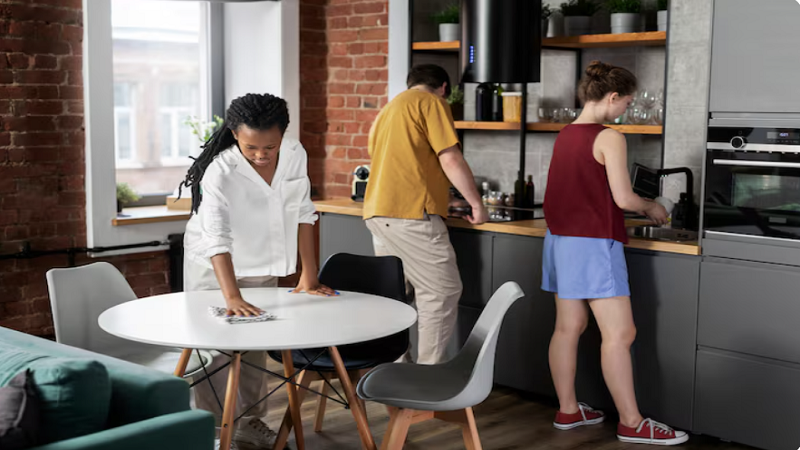
A home does not always need a complete renovation to feel fresh, comfortable, and attractive. Small changes in furniture, lighting, colors, storage, and decoration can make a noticeable difference. Whether you live in a small apartment, a family house, or a larger property, thoughtful upgrades can improve both appearance and everyday comfort.
The best home improvements are usually those that combine style with practicality. Instead of following every passing trend, homeowners can focus on choices that suit their lifestyle, available space, and personal taste. The goal is to create rooms that look welcoming while remaining useful and easy to maintain.
These decoradhouse upgrade tips by decoratoradvice focus on practical ideas that can help transform ordinary spaces without requiring a complete redesign.
1. Start With a Clear Plan
Before purchasing new furniture or decorations, look carefully at the room you want to improve. Identify what works, what feels outdated, and what creates unnecessary clutter.
Make a simple list of your priorities. For example, you might want to improve lighting, create more storage, replace old furniture, or introduce a new color scheme. Having a plan helps prevent unnecessary spending.
It is also useful to measure the room before buying anything. Furniture that looks attractive in a store may be too large for your space. Accurate measurements help maintain comfortable walking areas and create better visual balance.
2. Refresh the Color Scheme
Color is one of the easiest ways to change the atmosphere of a room. You do not necessarily need to repaint every wall. Sometimes adding a few carefully selected colors through cushions, curtains, rugs, artwork, or accessories can make the space feel completely different.
Neutral shades such as white, beige, cream, gray, and soft brown can create a calm foundation. Accent colors can then be introduced through smaller decorative elements.
If you prefer stronger colors, consider using them on one feature wall rather than throughout the entire room. This can create visual interest without making the space feel overwhelming.
Remember that natural and artificial lighting can affect how colors appear. Always consider the amount of sunlight a room receives before choosing a final color.
3. Improve Lighting
Good lighting can dramatically influence the appearance and functionality of a home. A room with poor lighting may feel smaller and less comfortable, even when the furniture and decoration are attractive.
Try to create several layers of lighting. Ceiling fixtures can provide general illumination, while table lamps, floor lamps, and wall lights can provide additional brightness where needed.
Warm lighting is often suitable for bedrooms and living areas because it creates a relaxed atmosphere. Brighter lighting can be useful in kitchens, home offices, and other areas where detailed tasks are performed.
Do not forget natural light. Keep windows clean and avoid placing large objects directly in front of them. Light-colored curtains can also help distribute daylight throughout a room.
4. Choose Furniture Carefully
Furniture is one of the biggest visual elements in any room, so choosing the right pieces is important. Instead of filling every available area, select furniture according to the size and purpose of the room.
A large sofa may be comfortable, but it can make a small living room feel crowded. Similarly, a tiny dining table may not provide enough space for a large family.
Look for furniture that offers more than one function when space is limited. Storage ottomans, beds with drawers, folding tables, and modular shelving can provide practical solutions.
The decoradhouse upgrade tips by decoratoradvice approach also emphasizes considering comfort alongside appearance. Attractive furniture should still be comfortable, durable, and appropriate for everyday use.
5. Add Better Storage
Clutter can quickly make a beautiful home look untidy. Improving storage is therefore one of the most useful upgrades you can make.
Use baskets, cabinets, shelves, drawers, and storage boxes to keep frequently used items organized. Open shelves can display books, plants, and decorative objects, while closed cabinets are useful for items that you prefer to keep out of sight.
Vertical storage is particularly helpful in smaller rooms. Tall shelves can use wall space without taking up much floor area.
Try to give everything a specific place. When items have designated storage locations, keeping the home organized becomes much easier.
6. Upgrade Textiles
Changing soft furnishings is an affordable way to give a room a new appearance. Curtains, cushions, blankets, rugs, and bedding can introduce new colors and textures without replacing major furniture.
For example, a neutral sofa can be refreshed with cushions in different patterns or materials. A simple rug can define a seating area and make the room feel warmer.
When combining different textiles, maintain some connection between their colors or patterns. Too many unrelated designs can make the room look visually busy.
Seasonal textiles can also be useful. Lightweight fabrics may work well during warmer months, while thicker blankets and textured materials can create a cozier atmosphere during colder seasons.
7. Bring Nature Indoors
Plants can add color, texture, and life to interior spaces. You do not need a large collection of plants to make an impact.
A few carefully placed plants can work well on shelves, side tables, windowsills, or empty corners. Choose varieties according to the amount of natural light available.
If maintaining live plants is difficult, low-maintenance varieties may be a better choice. Artificial plants can also provide decorative greenery, although natural plants can offer additional benefits when properly cared for.
Flowers are another simple option. A small vase placed on a dining table or coffee table can become an attractive focal point.
8. Create a Focal Point
Every room can benefit from having an area that naturally attracts attention. This might be a fireplace, artwork, feature wall, statement light, large mirror, or attractive piece of furniture.
A focal point prevents the room from looking visually scattered. Once you choose one, arrange surrounding furniture and accessories so they support rather than compete with it.
For example, a large piece of artwork can become the main feature above a sofa. In a bedroom, the headboard or wall behind the bed can serve as the focal area.
Keep supporting decorations relatively simple so the main feature remains noticeable.
9. Use Mirrors Strategically
Mirrors can be especially useful in smaller or darker rooms. When positioned correctly, they can reflect light and create the impression of additional space.
A large mirror opposite a window can reflect natural daylight into the room. Smaller decorative mirrors can also be grouped together to create an interesting wall arrangement.
The frame should complement the room’s overall style. Wooden frames can suit traditional or natural interiors, while simple metal or frameless designs can work well in contemporary spaces.
Avoid placing mirrors where they reflect unattractive clutter. Consider what will appear in the reflection before deciding on the final position.
10. Pay Attention to Small Details
Small details often have a surprisingly large effect on the overall appearance of a home. Cabinet handles, light switches, picture frames, cushions, door hardware, and decorative objects can all contribute to the room’s style.
Replacing outdated handles or hardware can give cabinets and drawers a refreshed appearance without replacing the entire unit.
Artwork can also personalize a room. Choose pieces that complement the color scheme and reflect your interests. Family photographs can add warmth, while simple artwork can create a more polished appearance.
The key is moderation. A few carefully selected objects usually have more impact than filling every surface with decorations.
11. Improve the Entryway
The entrance creates the first impression of a home. Even a small entryway can be improved with practical organization and attractive decoration.
Consider adding a compact console table, wall hooks, a mirror, or a small storage bench. These items can make the area more useful while keeping everyday belongings organized.
A washable runner can add color and protect the floor from dirt. Good lighting is also important because it makes the entrance feel more welcoming.
The entryway should remain relatively uncluttered. Shoes, bags, and other frequently used items should have designated storage spaces.
12. Make the Kitchen More Functional
Kitchen upgrades do not always require expensive remodeling. Simple improvements can make the space more convenient.
Organize cabinets according to how frequently items are used. Keep everyday dishes and cooking tools within easy reach while storing rarely used items in less accessible areas.
Add drawer organizers, shelf risers, spice racks, or wall-mounted storage where appropriate. These additions can increase usable storage without changing the kitchen layout.
Changing cabinet hardware, adding under-cabinet lighting, or introducing a few decorative elements can also refresh the appearance of the kitchen.
13. Create a Comfortable Bedroom
A bedroom should support relaxation and rest. Start with a comfortable bed and suitable bedding, then build the rest of the design around comfort.
Use soft lighting rather than relying only on a bright ceiling fixture. Bedside lamps can provide convenient lighting for reading.
Keep unnecessary electronics and clutter away from the sleeping area when possible. Simple decoration, calming colors, and organized storage can help create a more peaceful environment.
The decoradhouse upgrade tips by decoratoradvice concept can be applied here by focusing on improvements that make the room both attractive and practical.
14. Avoid Unnecessary Trends
Interior design trends can provide inspiration, but not every trend will suit every home. Some popular styles may become outdated quickly or may not work well with your existing furniture.
Instead of completely redesigning a room every year, choose timeless foundations and introduce trends through inexpensive accessories.
For example, a trendy cushion, vase, artwork piece, or lamp can be replaced easily when your preferences change. Expensive permanent features should generally be selected with long-term use in mind.
This approach can save money while keeping your home adaptable.
15. Focus on Quality and Maintenance
A successful home upgrade should remain useful after the initial excitement disappears. Consider the durability and maintenance requirements of every major purchase.
Materials that are easy to clean can be especially valuable in busy households. Furniture should be strong enough for everyday use, while decorative items should be positioned where they are less likely to be damaged.
Regular cleaning and maintenance can also make existing furniture and surfaces look better. Sometimes a deep clean, repair, or fresh coat of paint can provide a noticeable improvement without replacing anything.
16. Make Your Home Personal
The most comfortable homes usually reflect the people who live in them. Do not feel pressured to copy an entire design from a magazine or social media post.
Display meaningful photographs, books, artwork, travel memories, or other objects that represent your personality. These details make a home feel individual rather than simply decorated.
A balanced interior can combine modern elements with older pieces that have sentimental value. The result does not need to be perfectly coordinated to look attractive.
Conclusion
Upgrading a home does not have to involve major construction or a large budget. Small, thoughtful changes can improve appearance, comfort, organization, and functionality.
Start by identifying the areas that need attention, then make changes gradually. Improve lighting, refresh colors, organize storage, update textiles, add greenery, and select furniture according to the available space.
The decoradhouse upgrade tips by decoratoradvice approach ultimately centers on making practical improvements that fit your home and lifestyle. By focusing on comfort, organization, personal style, and long-term usefulness, you can create a home that feels fresh without constantly making expensive changes.
The best interior is not necessarily the one with the most decoration. It is the one where every important element has a purpose and the people living there feel comfortable and at home. See More