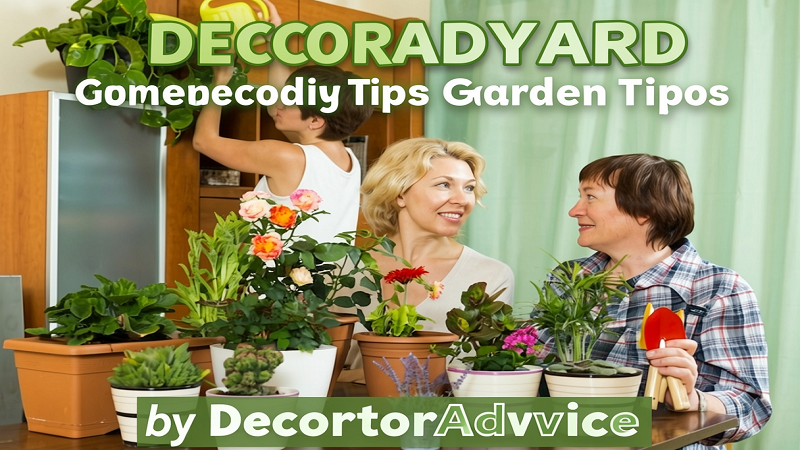
A beautiful garden can make any home feel more welcoming, peaceful, and connected to nature. Whether you have a large backyard, a small patio, or a few pots on a balcony, thoughtful planning can help you create an attractive and comfortable outdoor space. A well-maintained garden also provides opportunities to enjoy fresh air, grow plants, support pollinators, and spend quality time with family.
Creating a garden does not require expensive equipment or professional landscaping services. With the right plants, suitable soil, regular watering, and a little creativity, anyone can develop a garden that looks attractive throughout the year. The most important step is understanding your outdoor space and choosing ideas that fit your climate, available time, and budget.
This guide explores practical gardening methods, planting ideas, outdoor decoration, and simple maintenance routines that can help beginners and experienced gardeners improve their surroundings.
1. Plan Your Garden Before Planting
Good planning makes gardening easier and helps prevent unnecessary expenses. Before purchasing plants or digging flower beds, examine the available space and consider how you want to use it.
Start by identifying sunny and shaded areas. Some plants need several hours of direct sunlight, while others grow better in partial shade. Observe how sunlight moves across your garden during the day so you can select appropriate plants for each location.
Next, consider the purpose of your garden. You may want a colorful flower garden, a productive vegetable patch, a relaxing seating area, or a combination of different features. Dividing the space into smaller sections can make the overall design more organized.
Create a simple sketch showing pathways, planting beds, trees, seating areas, and water sources. You do not need professional design software. A drawing on paper can help you visualize the arrangement and avoid overcrowding.
2. Choose Plants That Suit Your Climate
Selecting suitable plants is one of the most important decisions in gardening. A plant that thrives in one region may struggle in another because of differences in temperature, rainfall, humidity, and sunlight.
Choose varieties that are adapted to your local climate. Native plants are often helpful because they have developed alongside local environmental conditions and may require less additional watering or special care once established.
For colorful flower beds, consider seasonal flowers that grow well in your area. Perennials can return for several growing seasons, while annuals often provide abundant color for a single season. Combining both types can create a garden with changing colors and textures.
Shrubs and small trees can provide structure, privacy, and shade. However, always check their mature size before planting them near walls, pathways, underground pipes, or neighboring properties.
If you are unsure which plants will perform well, ask a local nursery about varieties suited to your soil and weather conditions.
3. Improve Soil Quality for Healthy Growth
Healthy soil supports strong roots, better plant development, and improved water management. Before planting, examine your soil’s texture and drainage. Sandy soil generally drains quickly, while clay soil can retain more water and become compacted.
Adding mature compost can improve many garden soils by increasing organic matter and supporting beneficial soil organisms. Spread a suitable layer over planting beds and mix it into the soil when preparing the ground, following local gardening recommendations.
Avoid working with very wet soil because this can damage its structure and create compaction. Remove large stones and persistent weeds, but try to minimize unnecessary disturbance of the soil.
A soil test can help identify nutrient deficiencies and unsuitable pH levels. Rather than applying fertilizers automatically, use the results to determine whether amendments are necessary.
Remember that healthy soil develops over time. Regular composting, appropriate watering, and careful planting practices can gradually improve the growing environment.
4. Water Plants the Right Way
Watering is essential, but more water does not always mean healthier plants. Excessive watering can reduce oxygen around roots, encourage root diseases, and waste valuable resources.
Check the soil before watering. If the upper layer is dry, investigate whether the plant needs additional moisture. Different plants have different requirements, so avoid following the same watering schedule for every section of your garden.
Watering early in the morning is often beneficial because plants can absorb moisture before the hottest part of the day. Direct water toward the soil around the roots instead of repeatedly wetting the leaves.
Drip irrigation and soaker hoses can deliver water efficiently to planting beds. For container gardens, use pots with drainage holes and empty standing water from trays when necessary.
Mulching around plants can also reduce evaporation. Organic materials such as shredded leaves, bark, and straw can help conserve moisture when applied appropriately. Keep mulch away from direct contact with plant stems and tree trunks.
5. Create Attractive Flower Beds
Flower beds add color, texture, and visual interest to outdoor spaces. A successful design combines plants with different heights, shapes, flowering periods, and foliage colors.
Place taller plants toward the back of a bed viewed from one direction. Use medium-height flowers in the middle and shorter varieties near the front. For beds visible from several directions, taller plants may work best near the center.
Choose a limited color palette to create a coordinated appearance. For example, white flowers with purple and green foliage can produce a calm atmosphere, while yellow, orange, and red flowers can create a brighter display.
Consider flowering periods when choosing plants. By combining varieties that bloom at different times, you can maintain interest throughout more of the growing season.
Leave enough room between plants for mature growth and air circulation. Crowded flowers may compete for water and nutrients and can become more vulnerable to certain diseases.
Regularly remove dead flowers when appropriate for the species. This can improve the appearance of flower beds and encourage additional blooms in some plants.
6. Make the Most of Small Gardens
Small outdoor areas can still become attractive and functional gardens. The key is to use available space carefully and avoid filling every corner with decorations or oversized plants.
Vertical gardening is an effective option. Wall-mounted planters, trellises, and hanging baskets allow you to grow suitable flowers, herbs, and climbing plants without using much floor space. Ensure that supports are secure and that the chosen plants receive adequate light.
Containers offer flexibility because they can be moved when sunlight changes or when a different arrangement is needed. Choose pots that provide sufficient room for roots and have appropriate drainage.
Use compact furniture to create a comfortable seating area. Folding chairs, narrow benches, and small tables can make a patio more useful without overwhelming it.
A simple arrangement of containers, a few flowering plants, and a clear walking path can make even a small courtyard feel organized and inviting.
7. Add Decorative Features Without Creating Clutter
Garden decorations can express personal style and make outdoor spaces feel more complete. However, too many decorative objects may distract from the natural beauty of plants.
Begin with a few practical features, such as a garden bench, attractive containers, solar pathway lights, or a simple birdbath where suitable. Choose materials that can withstand local weather conditions and require reasonable maintenance.
Natural materials such as stone, wood, and gravel can complement greenery. Repeating the same material or color in different areas can help create a consistent design.
Pathways are another useful feature. Stepping stones or a narrow gravel path can connect planting beds, seating areas, and entrances. Make sure walking surfaces are stable, properly drained, and safe in wet conditions.
Lighting can improve visibility and make the garden more enjoyable in the evening. Position lights to illuminate steps, entrances, and pathways without shining unnecessarily into neighboring properties.
Keep decorations functional and proportionate to the space. A few carefully chosen features usually create a better result than a crowded collection of ornaments.
8. Grow Herbs and Vegetables at Home
A productive garden can provide fresh ingredients while making outdoor spaces more useful. Herbs and vegetables can grow in traditional garden beds, raised beds, or containers, depending on the available space.
Begin with crops that suit your local climate and experience level. Herbs such as mint, basil, coriander, and parsley may be suitable choices when their growing requirements match local conditions. Tomatoes, leafy greens, peppers, and other vegetables can also be rewarding options.
Provide sufficient sunlight for each crop. Many fruiting vegetables need several hours of direct sunlight, while some leafy crops tolerate partial shade.
Use containers with enough depth and drainage for the selected plants. Vegetables grown in pots may require more frequent watering because their soil dries out faster than soil in larger garden beds.
Harvest herbs and vegetables when they are ready, and inspect plants regularly for pests or signs of disease. Rotate vegetable families between planting areas when possible to help manage certain soil-related problems.
Growing a small number of healthy crops is often more manageable than planting too many varieties at once.
9. Maintain Your Garden Throughout the Year
Regular maintenance helps plants remain healthy and prevents small problems from becoming expensive projects. Establish a routine that includes checking soil moisture, removing weeds, inspecting leaves, and cleaning pathways.
Weed removal is particularly important while unwanted plants are young. Pulling weeds when the soil is slightly moist can make the task easier. Mulching can suppress some weeds, although it does not eliminate the need for occasional maintenance.
Prune plants according to their individual requirements. Different shrubs, trees, and flowering plants need pruning at different times. Research the correct season and method before making significant cuts.
Inspect plants for unusual spots, damaged leaves, wilting, or insects. Identify the problem before applying any treatment. Encourage beneficial insects and consider nonchemical controls where appropriate.
Adjust your gardening routine as the seasons change. In hot weather, monitor moisture more frequently. During colder periods, protect sensitive plants when necessary and remove damaged growth if recommended for the species.
A short, consistent maintenance routine is usually easier than allowing several weeks of neglected work to accumulate.
10. Use Sustainable Gardening Practices
Sustainable gardening can reduce waste, conserve resources, and support local wildlife. One simple method is composting suitable fruit and vegetable scraps, dry leaves, and other appropriate organic materials. Finished compost can return useful organic matter to the soil.
Collecting rainwater for garden use may also reduce dependence on treated water where permitted and practical. Use covered containers or properly designed systems to avoid creating mosquito breeding sites.
Choose plants that support pollinators, including suitable flowering species that provide nectar and pollen. Where possible, select varieties with different flowering periods so that food sources remain available across more of the year.
Avoid using pesticides unnecessarily. Identify pests first, protect beneficial insects, and follow product labels and local regulations if a treatment is needed.
Reuse suitable containers and natural materials when possible, provided they are safe for growing plants. Sustainable choices do not need to be expensive; many involve simply using resources more carefully.
11. Common Gardening Mistakes to Avoid
New gardeners sometimes make avoidable mistakes that slow plant growth or increase maintenance.
Overwatering: Watering too frequently can damage roots. Check soil moisture and consider each plant’s specific requirements.
Ignoring sunlight: Plants placed in unsuitable light may produce fewer flowers, weak stems, or poor harvests.
Planting too closely: Overcrowding limits airflow and creates competition for nutrients and water. Follow spacing guidance and allow plants to reach their mature size.
Using too much fertilizer: Excess nutrients can damage plants and contribute to environmental pollution. Apply fertilizer only when appropriate and follow the recommended amounts.
Neglecting drainage: Waterlogged soil and containers without drainage holes can lead to root problems.
Expecting instant results: Gardens develop gradually. Plants need time to establish roots, fill planting beds, and adapt to their environment.
Learning from these mistakes can help you develop better gardening habits and achieve more reliable results.
12. Build a Simple Gardening Routine
A practical routine makes it easier to keep your outdoor space in good condition. You can divide tasks into short sessions rather than completing everything at once.
During the week, check soil moisture, inspect plants, remove visible weeds, and collect ripe vegetables or herbs. At the weekend, clean pathways, trim plants when needed, refresh container arrangements, and review any pest problems.
At the beginning of each season, assess which plants performed well and which areas need improvement. Replace unsuitable plants, add compost where appropriate, and adjust watering systems before periods of extreme weather.
Keep a small gardening notebook to record planting dates, flowering periods, watering needs, and problems you encounter. These notes can help you make better decisions in future seasons.
The best routine is one that fits your schedule. A manageable garden that receives consistent attention is more rewarding than an elaborate space that becomes difficult to maintain.
Conclusion
Creating an attractive garden is possible with careful planning, suitable plants, healthy soil, and consistent maintenance. You do not need a large yard or an unlimited budget to enjoy the benefits of gardening. Even a small collection of containers can introduce greenery, color, and a relaxing atmosphere into your outdoor space.
The most useful decoradyard garden tips by decoratoradvice begin with understanding your space, selecting plants suited to local conditions, and building good watering and soil-care habits. From there, you can gradually introduce flower beds, decorative pathways, seating areas, herbs, and vegetables according to your preferences.
Focus on practical improvements instead of trying to complete everything immediately. With patience and regular care, your garden can become a comfortable, attractive, and sustainable extension of your home. See More